
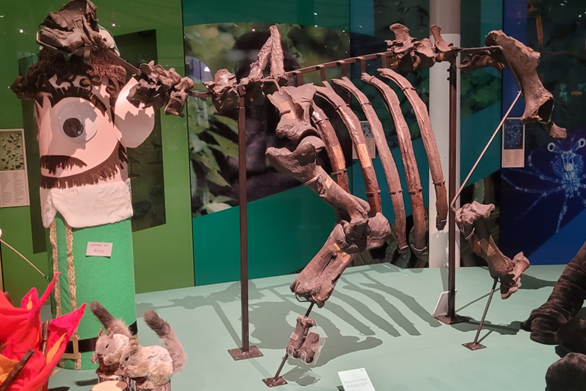
You would be in quite some trouble were you to come face to face with a Hippo, luckily for those local to Leeds, facing such an imposing beast isn’t a problem. Had they lived one hundred and twenty thousand years ago however, they just might have had to learn to avoid such a creature, at least according to Leeds City Museum’s ‘Life on Earth’ exhibition.
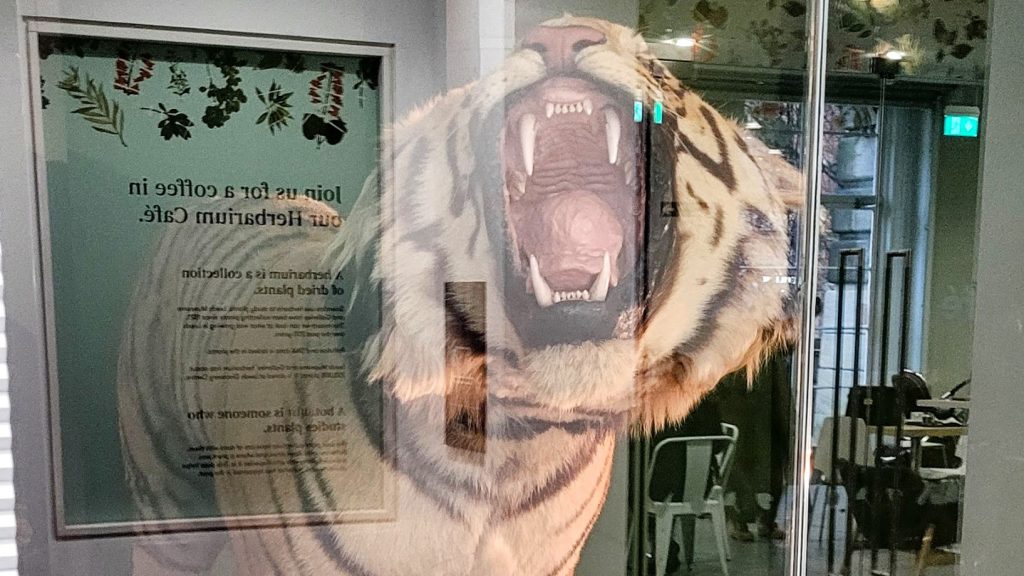
Loaded with taxidermy, this natural history exhibit has set out to challenge our place in the natural world and inform us about the damage we as humans are doing and have historically done to the flora and fauna of the world. Descending into the exhibit, you are greeted with the prized trophy of Queen Victorias personal assistant, a taxidermized Bengal Tiger. This rare feline is accompanied by the unfortunate story of how it came to be a display item at the museum. The interpretation showcases the impact of overzealous hunters making a point to mention that the once thriving species is now endangered.
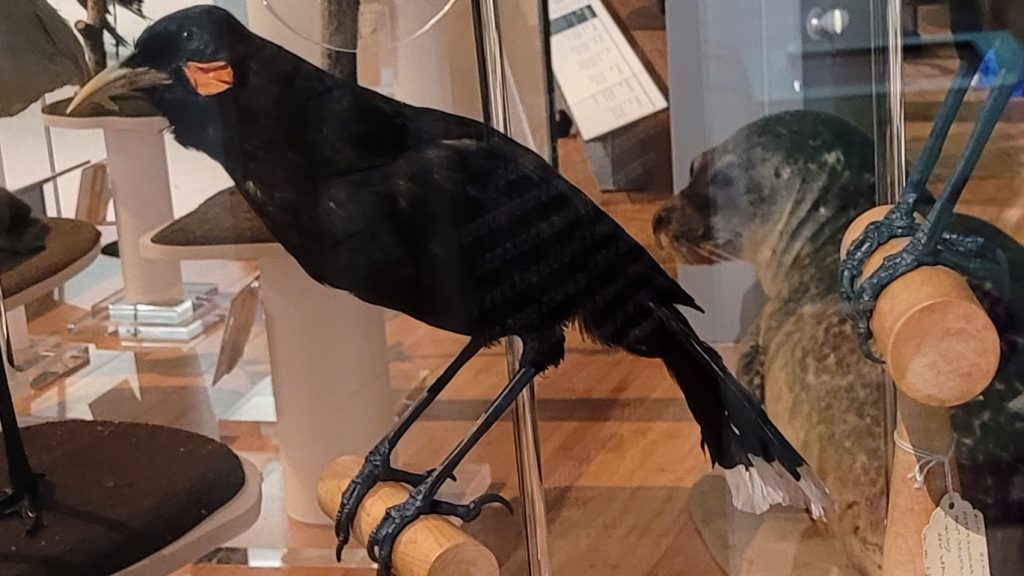
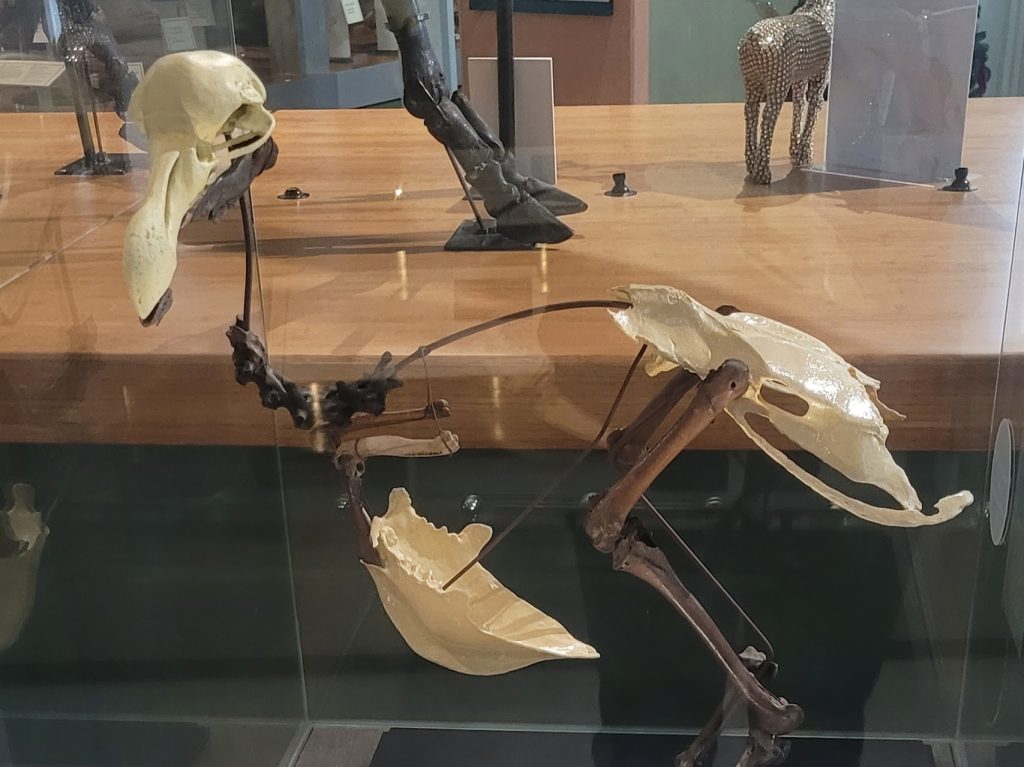
Cementing the point that we are the greatest threat to the nature of our planet a more obscure animal is presented to us, the Huia. Without spoiling the exhibit, the presentation and interpretation of the Huia is a great example of how the ‘Life on Earth’ exhibit succeeds in pushing the idea that humans have detrimental impacts on natural life. By using a lesser-known animal that the visitor is most likely unfamiliar with, the museum manages to capture and hold their attention long enough for them to then grasp the overall narrative behind the exhibit.
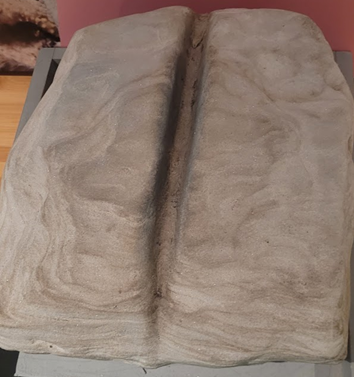
The exhibition is not all doom and gloom, there are parts dedicated to learning specifics about animals and fossils that are interactive and integrated into the exhibit in such a way that it does not detract from the overall message. Furthermore, there are hopeful messages relating to climate change, which is often reported as the end of the world!
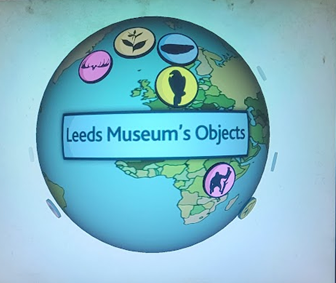
I will end the review here with my personal favourite part of the exhibit. This is an interactive monitor that displays further information on all of the display objects (animals) in the exhibit. This is something that is often a throwaway in exhibits like these and ends up being the least observed part by the general visitor. However, I feel it deserves some merit because rather than being a crucial part of the exhibit, it is actually a supplementary piece of interpretation that rewards you for showing further interest in the exhibit with behind-the-scenes details as to the storage and lifespan of specific animals within the exhibit and the wider collections of Leeds Museums & Galleries. I particularly enjoyed the ‘Surprise Me’ feature which took you to a random page, all of which were informative and interesting especially for the more seasoned museum goer.
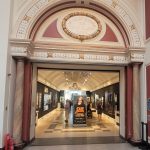
Overall the exhibit is a shining example of the strengths of Leeds City Museum, and manages to take the area of Leeds and expand its scope in such a believable way that it keeps the visitor engaged with the idea that all of the ideas and interpretation in the exhibit, are in money way or another relevant to Leeds’ story. The displays are fantastic and not too overcrowded with information, and the interpretation that is visible supplements the displays perfectly whilst also staying on message. The accessibility for both children and adults is superb as there are interactive activities suitable for all age ranges, and the visitor will only be rewarded should they explore every nook and cranny of this exhibit. My only gripe with the exhibit is that some of the animal displays are strangely dispersed from the information relating to them which may leave some visitors confused as to where they can locate the relevant interpretation and information.
Considering all these factors, I rate Leeds City Museums ‘Life on Earth’ exhibit: An excellent 8 out of 10!





Leave a Reply to Rosie Snaith Cancel reply